
Croatia’s Blue & Green: The Ultimate Guide to Coast and National Parks
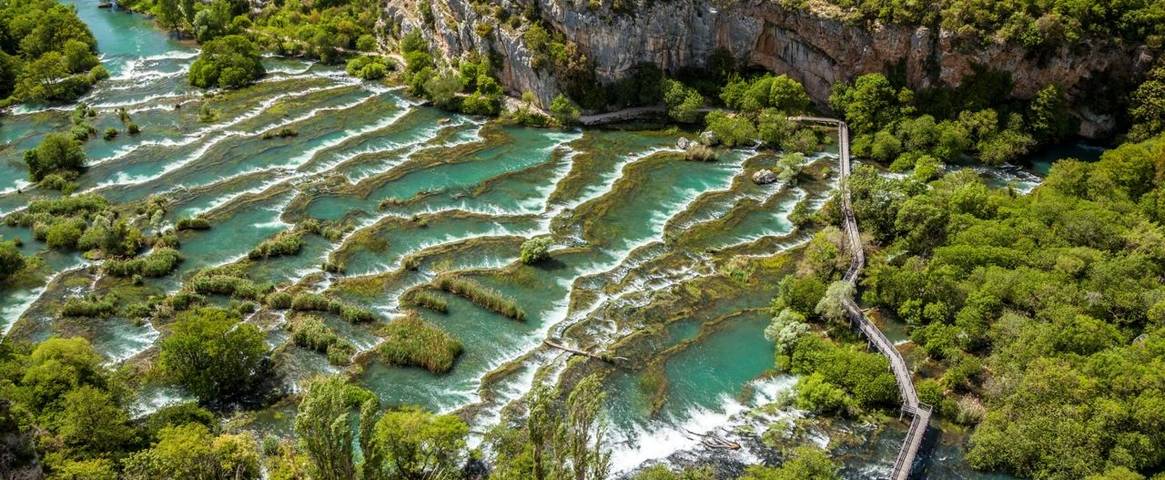
To Croatian people both the blue and the green are very important to them.
Friends and families spend time in the wonderful sea, messing about in boats, fishing and so on, yet they also spend time in nature.
You see the signs “priroda” often. It means “nature” and the forests, lakes, cascades, gorges and waterfalls are truly pristine. Marked trails and paths are well maintained and many places are easy to visit independently or on an organised excursion (these usually include entrance to the relevant National Park).
Croatia: a small, beautiful country of 3.8 million people with 8 national parks.
Leaving the coast for a day out to:
Mljet National Park on the Island of Mljet
Easy from the Dubrovnik Riviera, the island of Korcula and the south coast of the Dalmatia region.
The National Park covers around one third of the island – the entire northwest part. Catamarans (no cars) reach Mljet from Dubrovnik, the island of Hvar and the island of Korcula, and ferries also arrive from Dubrovnik.
One of the most popular excursions includes a hike through gentle hillside paths in the park and a boat ride on the two saltwater lakes, Veliko and Malo Jezero. From there a further boat ride takes you to the small island of St Mary with time for swimming.
Many people simply take the catamaran from Dubrovnik (Gruz harbour) to Pomena on Mljet and explore independently. From there it’s less than a 10-minute walk to the entrance of the National Park.
Tip – there is a great swim spot very close to where the catamaran docks in front of the hotel. Because of the sunbeds it may appear to be private – it is not. It’s a stone platform beach with a short step ladder into the sea.
Krka National Park
Easy from Trogir, Sibenik, Biograd na Moru, Zadar and Split.
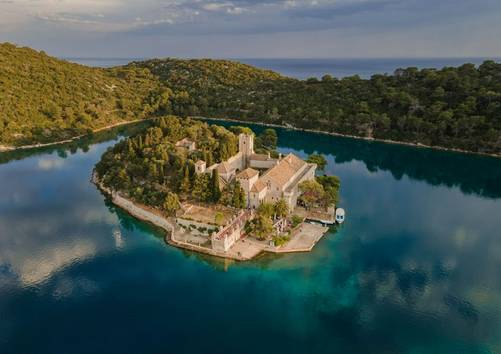
Taking its name from the Krka River, the park is famous for its cascading waterfalls including the stunning Skradinski Buk, a 147-foot drop with 17 cascading “steps”, all accessible via wooden boardwalks.
Boat tours bring visitors to the Visovac island monastery and Roski Slap waterfall (“slap” means waterfall). Many excursions end at Skradin, a pretty little town on the river with time for swimming.
Inside the park, serenity abounds. No mobile phone buzz – just tumbling cascades, crystal clear waters and endless shades of green. Biodiversity is remarkable with around 800 plant species and subspecies.
Don’t miss the historic watermills which show how water powered the milling of corn and wheat.
Tip – there are several entrances to the park, the most used are Skradin and Lozovac. Independent visitors with their own car can park for free at Lozovac, right by the ticket office.
Kornati National Park - Island Chain
Easy from Trogir, Sibenik, Biograd na Moru and Zadar.
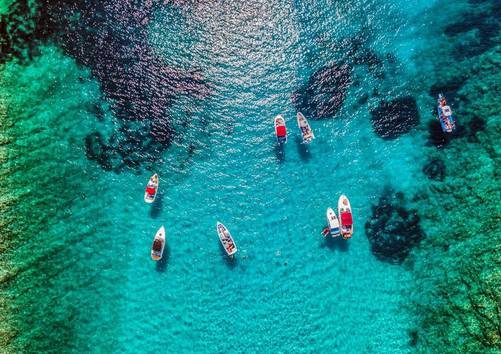
This is about relaxation — watching the islands and coastline drift by, swimming and enjoying lunch on a full-day boat excursion.
There are around 120 islands in the Kornati archipelago and the only way to visit is by boat. The islands are largely uninhabited, apart from occasional stone cottages used seasonally.
Kornati is dramatic in a stark way — barren islands rising like great rocks from the sea. In strong sunshine they seem to glint like a necklace.
Tip – for the full experience, opt for a day trip often billed as “all inclusive”, which usually includes park entrance, boat tour, drinks, lunch and swim stops on tiny islands such as Mana or Lavdara.
Plitvice National Park
The most famous national park in Croatia and a UNESCO World Heritage site.
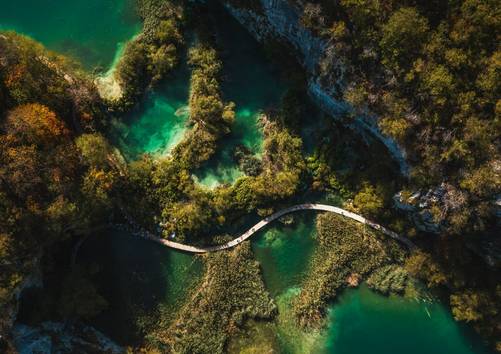
Located inland in the Lika region, Plitvice stuns with 16 cascading, mostly turquoise-coloured lakes connected by waterfalls through a limestone canyon. It is breathtakingly beautiful.
The lakes are separated into Upper and Lower clusters and exploration is by hiking along paths and wooden boardwalks, with electric boats across Lake Kozjak. Two main entrances serve the park.
Seventy-five per cent of the park is forested, providing habitat for brown bears, wolves and lynx (rarely seen). The Veliki Slap waterfall is 78 metres high.
This is no place for a quick visit — a full day is recommended, ideally starting early.
Tip – autumn is breathtaking, with vivid colours from pale amber to crimson. Late October into November is well worth considering.
Brijuni National Park
Easy from across the Istria and Kvarner regions.
From the pretty fishing village of Fazana, the National Park boat takes you 15 minutes across the channel to Veliki Brijun island.
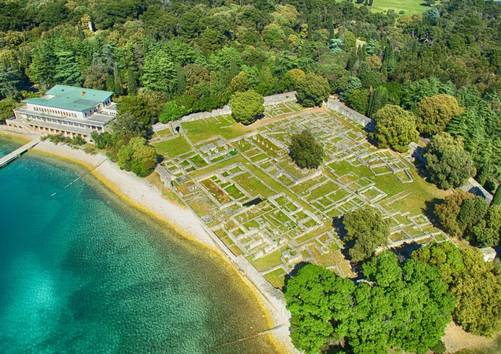
The park comprises a stunning 14-island archipelago off the western coast of the Istrian peninsula. Veliki Brijun offers over 100 archaeological sites including Roman villas, 130-million-year-old dinosaur footprints, ruined fortresses and the 20th-century legacy of President Tito, who made it his residence.
There are pine forests, ancient olive trees, an ornithological reserve and even a small safari park. Bikes and golf buggies can be hired to explore independently, while the recommended ticket includes a guided tour and road-train ride.
This is an extraordinary, time-warp kind of place.
Tip – on returning to Fazana, enjoy grilled sardines for which the village is famous at one of the traditional konobas.
Travel with Confidence
Turn Ideas into Your Holiday
journey around your travel dreams.