
Croatia's Wild Side: The Extraordinary Wildlife You Never Knew Existed
%20Wanderlust%20(5).jpg)
CROATIA – CREATURES GREAT AND SMALL
Over the past 20 years, programmes about wildlife and nature have abounded. Interest in animals, mammals and birds soared with people travelling far and wide to see, in real life, what they had previously only seen on a screen.
It has been happening in Croatia too and, because the country is small, visitors on holiday can often easily combine the coast and islands with a day or more seeing wild beauties that call Croatia home. And we mean “home”. No performing dolphins in theme parks or caged birds.
Take a look
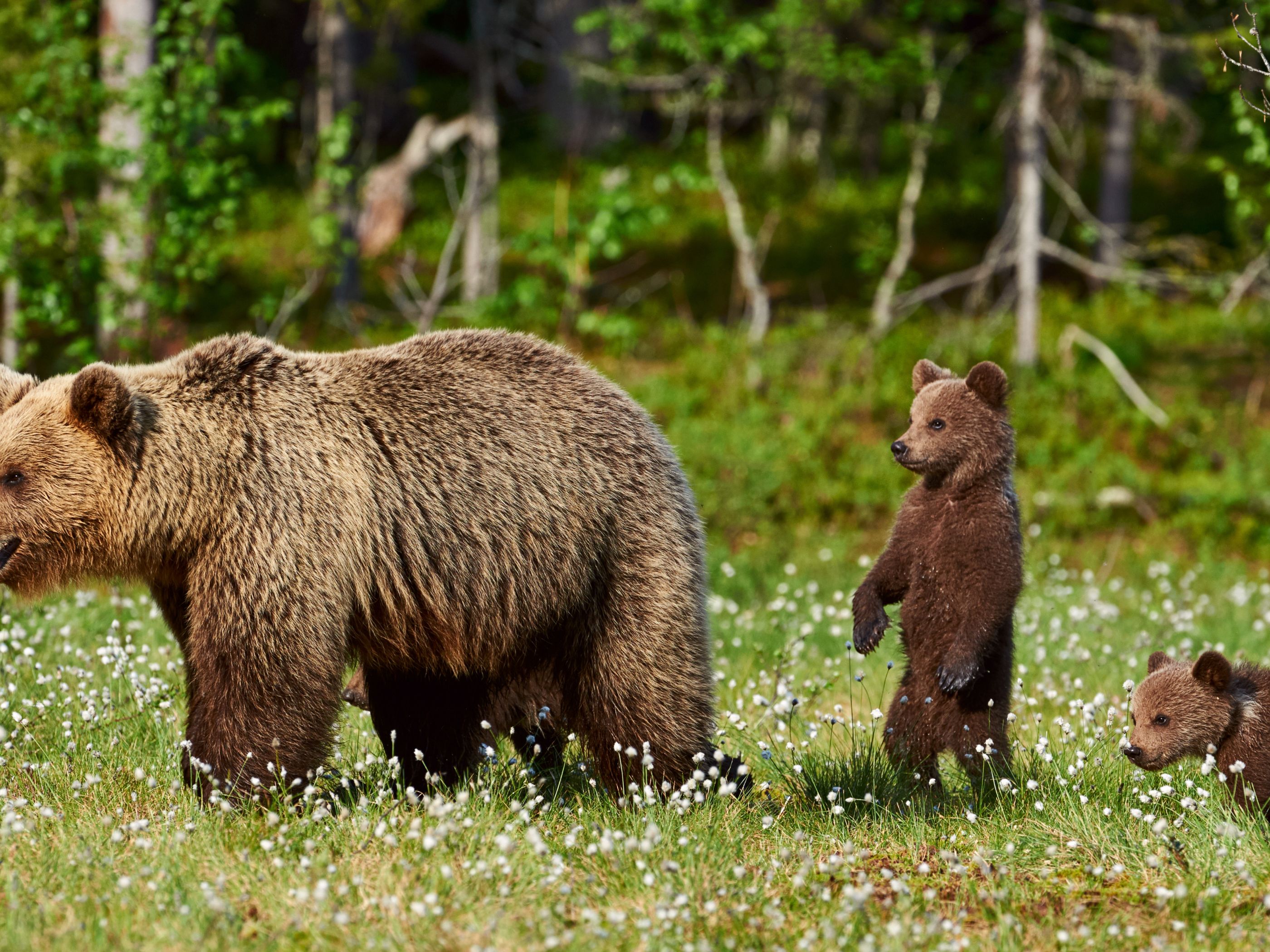
BROWN BEARS
Some 150 Eurasian brown bears live freely in the Risnjak National Park, around an hour’s drive from Opatija on the Northern Adriatic coast and under two hours from Zagreb, the capital. This is one of the few remaining places in Europe where brown bears can be seen free and wild. Abeautiful, pristine habitat with vast forests, natural whirlpools, rivers,streams and ponds, hills and deep, green meadows
Experienced rangers ensure their habitat remains unspoiled.The best way to see them is by spending a night in an observation hut in late May-early June. After a winter of hibernation, the females give birth in springand come out with their cubs in these months in search of food, mainly berries,fruit and corn.
National Park rangers drive visitors to an observation hut usually 2-4 people per dwelling) in the evening, and then it is a sitting and waiting game until dawn, when appear. The huts are isolated, at ground level with seating, a raised outside terrace and are basic.
Own food and drink must be taken, chairs, blankets supplied,plus water (for the toilet – not drinking water). The more comfortable optionis to spend a couple of nights at the National Park Lodge headquarters near Crni Lug, a large wooden chalet-style building. There are experienced park staff, masses of information, spacious, well-equipped en suite rooms (3- star hotel category) with a restaurant serving breakfast and meals and a café-bar.
Rangers drive guests in Four Wheel Drive vehicles at around 0400 through the forest to the observation hut, and then you wait patiently and watch. The rangers return later to drive back to the National Park lodge building.
Risnjak National Park is also home to grey wolves and the Eurasian lynx, yet these are rarely seen. (“Bears do not appear if they hear human noise. This experience is therefore not suitable for children as long periods of stillness, patience and silence are required”.
Easy to combine with the coast - Opatija, Lovran, Rijeka,and the islands of Losinj, Krk, Rab. Cres.
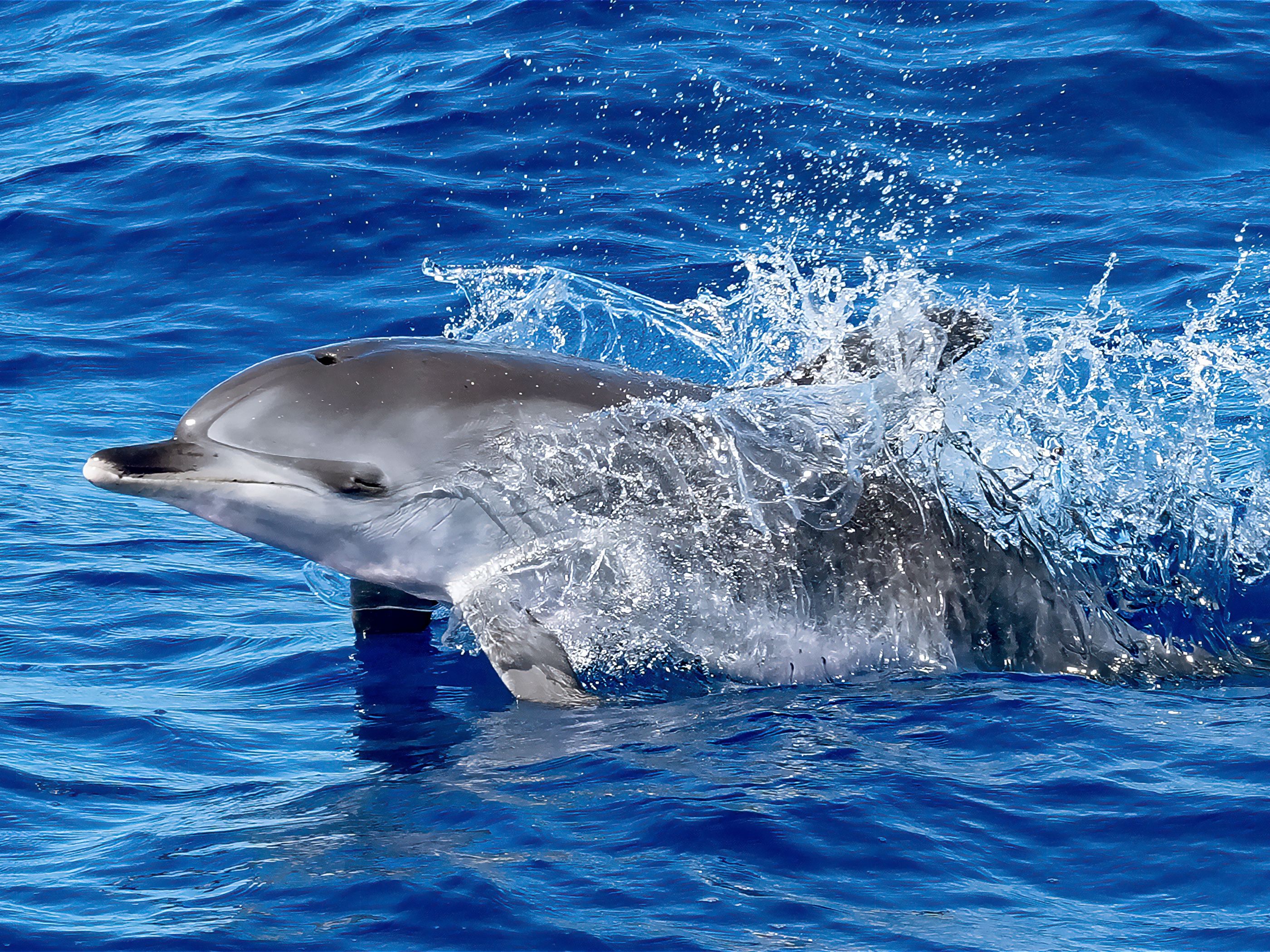
DOLPHINS
The bottlenose dolphin (Tursiops truncates) is often seen in the Croatian Adriatic. They prefer quieter places and avoid the busy crusie ship ports, Fewer are seen in August peak season due to the high numbers of jetskis and tourist craft yet they are still there, swimming around quiet coves. Swimmers before breakfast have the best chance of spotting them in that peak month.
The biggest colony of the common bottlenose dolphin in Croatia lives around the island of Losinj where around 200 of these beauties have made their home. They swim around the Losinj archipelago, through the neighbouring Kvarner Bay islands and they seem to like inter-island ferries as they are sometimes seen near ferries. Blue World Institute in Veli Losinj has a great interpretation centre telling their story. Strictly no performing dolphin shows – they swim wild and free in Croatia. There are low-key, dolphin watching trips in open, local boats where captains update each other about where dolphins are recently seen. These Croatian dolphins also occasionally come close to beaches delighting sunbathers. They are sometimes rather surprising, and we know of a couple who were getting married on a hotel seafront terrace in Opatija last year when suddenly six dolphins appeared to perform a dance in the sea below during the ceremony!
Easy when staying on Losinj island and neighbouringislands or on the Opatija Riviera
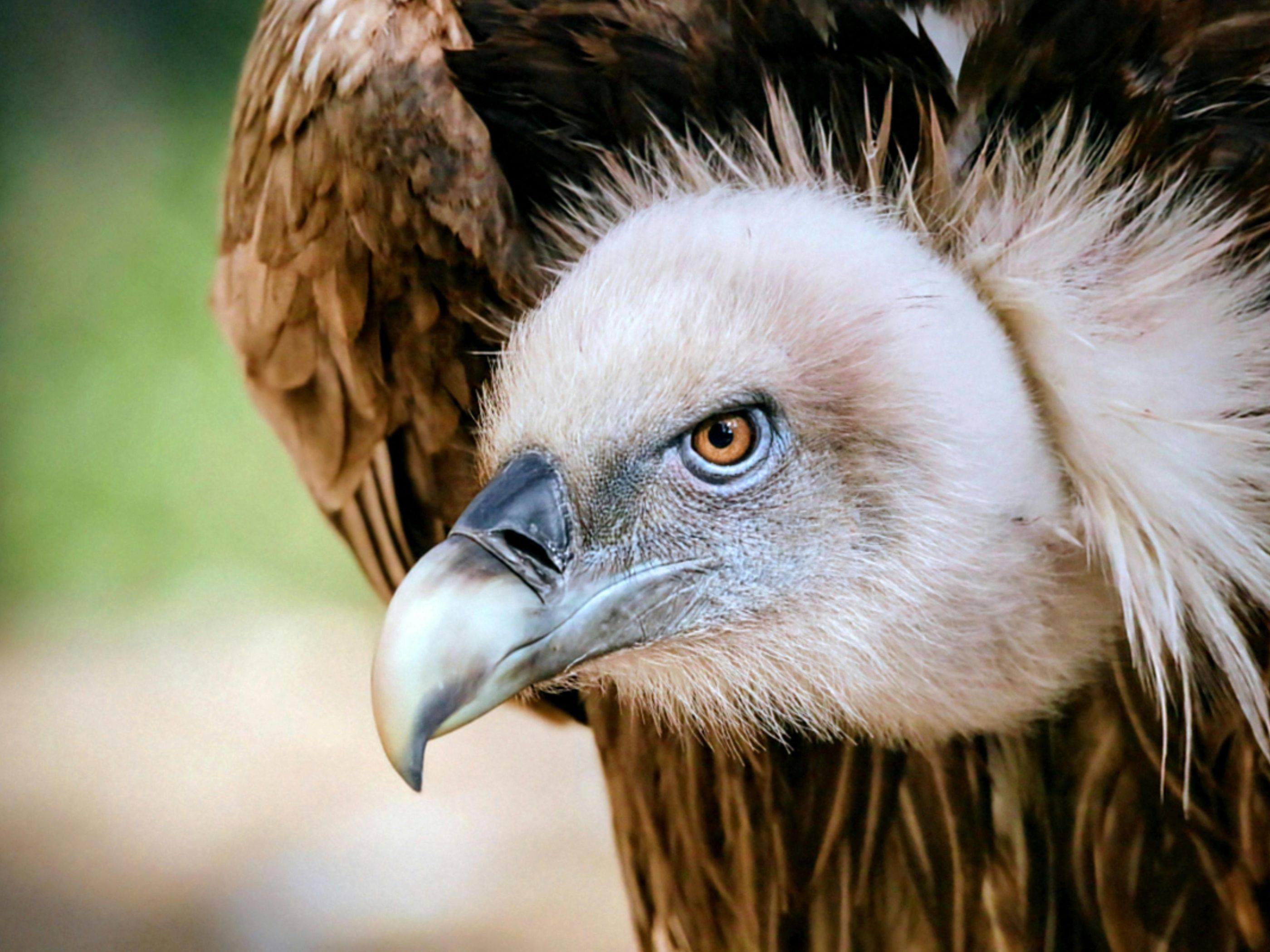
WHITE HEADED GRIFFON VULTURE
Ornithological experts worldwide were once astounded by this. Now they have accepted it. This is because birds usually nest in mountain areas and they live in the mountains of Spain and Greece as expected. In Croatia, they chose the large yet tranquil island of Cres in Croatia’s Northern Adriatic and, surprisingly, they have made their homes in low cliffs right bythe sea. Local experts claim there are around 75 breeding pairs and more are often seen in the north of the island around Beli. This is the largest colony in Croatia, There are also a few on the neighbouring island of Krk and the tiny, uninhabited islands of Prvic and Plavnik, where they also live in low cliffs by the sea.
These vultures are very striking with pure white head feathers and a massive wingspan often reaching 2.8 meters. Groups of birds often soar high over thermal air flying in circles – a breathtaking sight.
Visit the Beli Visitor and Rescue Centre on Cres. Located in an old schoolhouse, it tells their whole story. Sometimes it has injured vultures recuperating in the rescue centre.
Island farmers respect these birds since they keep the island clean and disease-free by eating any dead sheep. Nature at her best
Stay on or around the Island of Cres
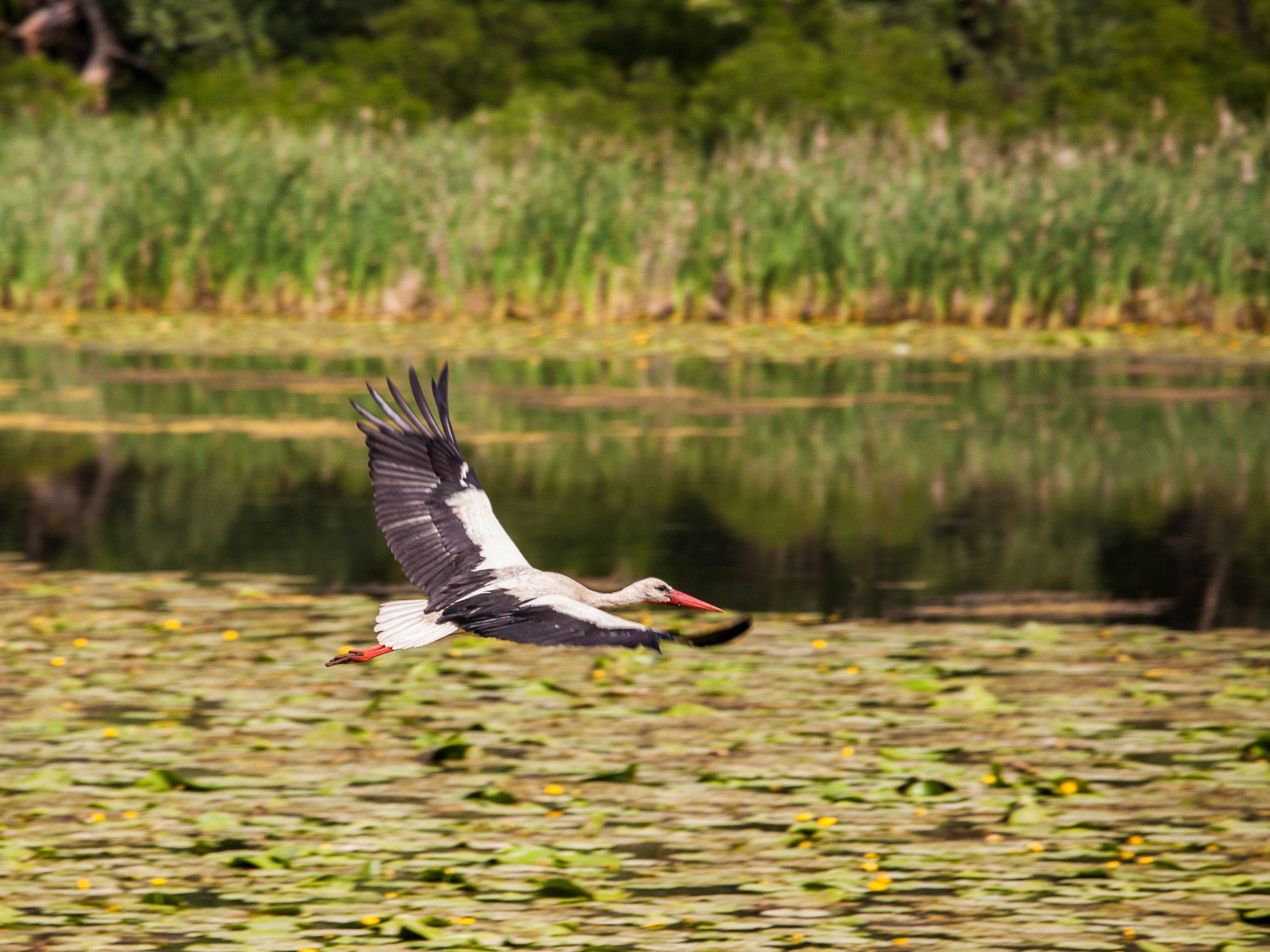
ROOFTOP STORKS
The Lonsko Polje Nature Park is just over an hour’s drive fromZagreb, the capital. This is home to semi-wild, free roaming horses mainly thenative, rare, cold-blooded Posavina breed. It is an ancient breed that likes marshy environments and here, they thrive on the seasonal flood plains of the riverSava. When the river floods they wander between the plains and the slightly higher ground as they wish. Often they are in the company of free roaming cattle and one of the most endangered pig breeds in Europe, the Turopolje pig.
Cigoc is known as the “European Stork Village” and is closeby, in this region. Statistics show that that there are more resident storks than people in this village where storks build their nests on the rooftops and chimneys of traditional, wooden houses. The nests are huge, some weighing up to 200 kgs and the storks are there from mid March until late July (stork chicks are born in April and May). The birds migrate south for winter,departing in August returning the following March to the very same nests which they then further reconstruct. A wondrous sight.
Both easy from Zagreb or if touring the counties surrounding the capital
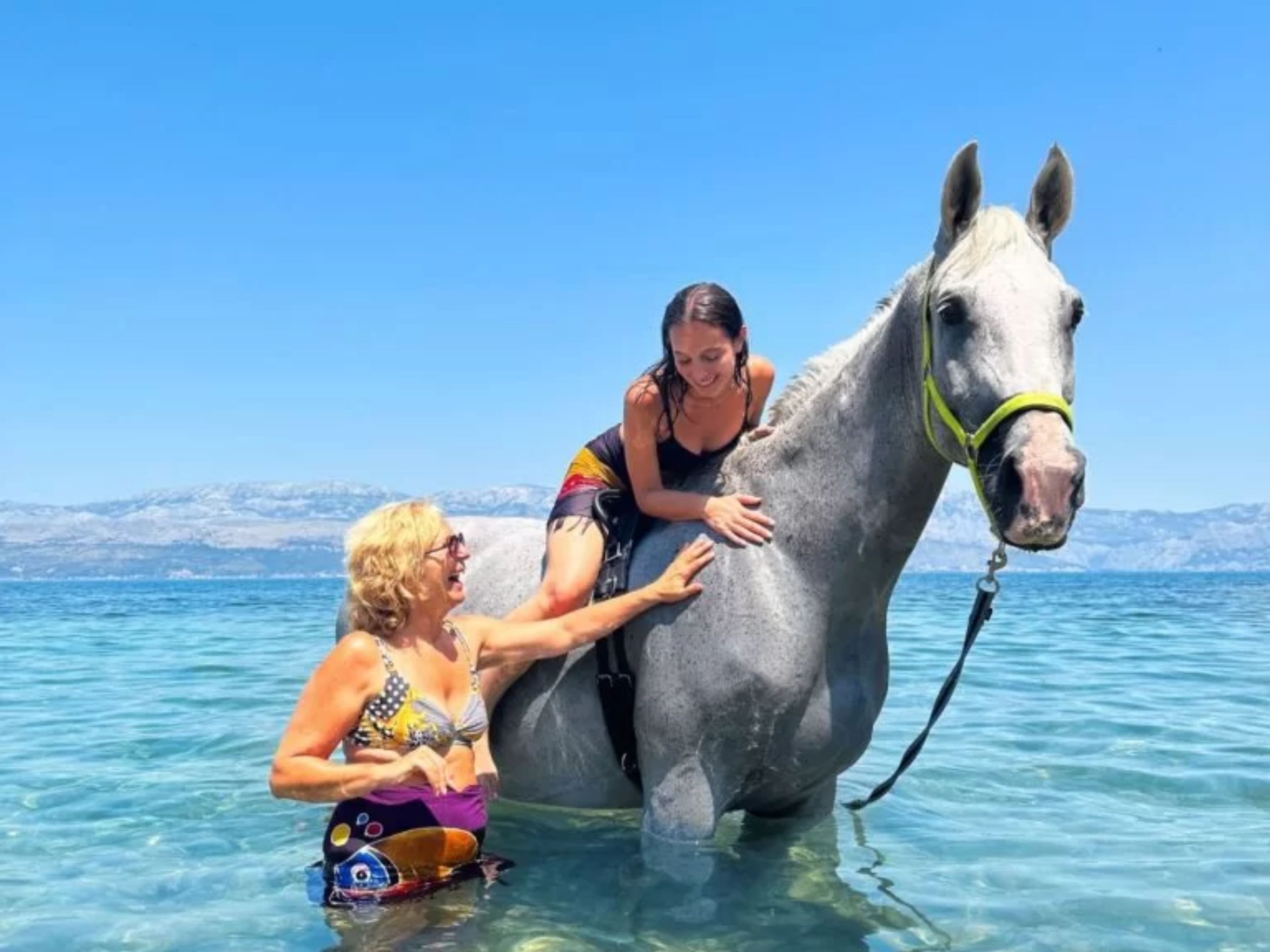
HORSES AND THE ADRIATIC SEA
Swimming with horses is usually associated with long haul travel and, indeed, there are few places in Europe where this is possible. And then there is Wild Brac Ranch situated in the hills behind Supetar on the island of Brac, in the southern Dalmatia region of Croatia. The stables are extremely well run and offer a wide range of riding (including lessons) together with hacks through pristine nature to hidden beaches where the horses enjoy the Adriatic sea alongside their rider. Depending on the conditions, it could be swimming in the sea on your horse or beside it. Rides are usually earlier and later in the day to avoid summer heat.
Easy for stays on the island of Brac and in Split on the mainland (regular 50 minute ferry from Split to Supetar)
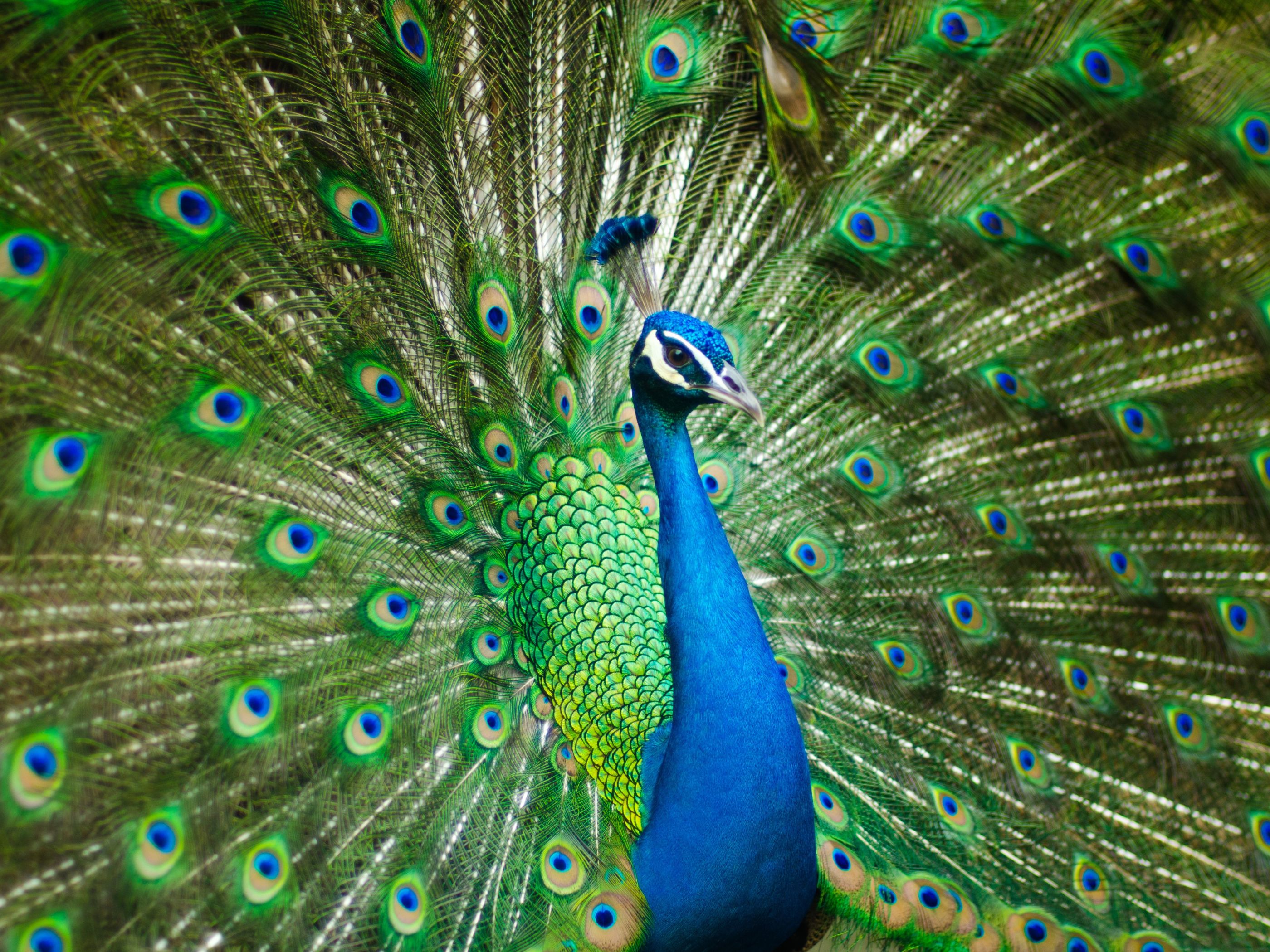
ISLAND PEACOCKS
Not native to Croatia yet here they are, hundreds of these dazzingly, colourful birds on Lokrum island, just 10 minutes by boat Dubrovnik's old town. They were brought from the Canary Islands in the 19thcentury by Archduke Maximillian of Habsburg when he bought the island. He was mad about gardens and felt the peacocks would add beauty to the island’s large botanical garden. They thrived on the island and multiplied. There are now several hundred and they roam freely. The seem to like visitors and often stand around waiting to be photographed!
In summer and autumn of 2011, Lokrum island was one of the filming locations for the famous Game of Thrones television series and shootingtook place at the disused monastery, at the Venus pools and in the botanical garden. The peacocks were so keen to appear in the films that they often appeared at the locations and additional staff were needed to gently usher them away.
Easy for stays in Dubrovnik, Mlini, Cavtat
%20Wanderlust%20(4).jpg)
FLAMINGOS AND BIRDWATCHING AT THE NIN SALT PANS
Just north of Zadar lies one of Croatia's most important birdwatching locations.
The historic Nin Salt Pans have been producing sea salt for centuries, creating a unique wetland environment that attracts an incredible variety of birdlife. More than 200 species have been recorded here, including herons, egrets, avocets and migratory birds travelling between Europe and Africa.
In recent years, visitors have even been treated to sightings of elegant flamingos feeding in the shallow waters, adding a splash of colour to this already spectacular landscape.
The combination of wildlife, traditional salt production and stunning coastal scenery makes Nin a hidden gem for photographers, birdwatchers and nature lovers alike.
Easy for stays in Zadar
Travel with Confidence
Turn Ideas into Your Holiday
journey around your travel dreams.